Spiritual Sites
Gurudwara Sri Guru Singh Sabha DLF
The largest Sikh gurudwara in Gurugram, serving langar every day of the year and open to visitors of any faith.
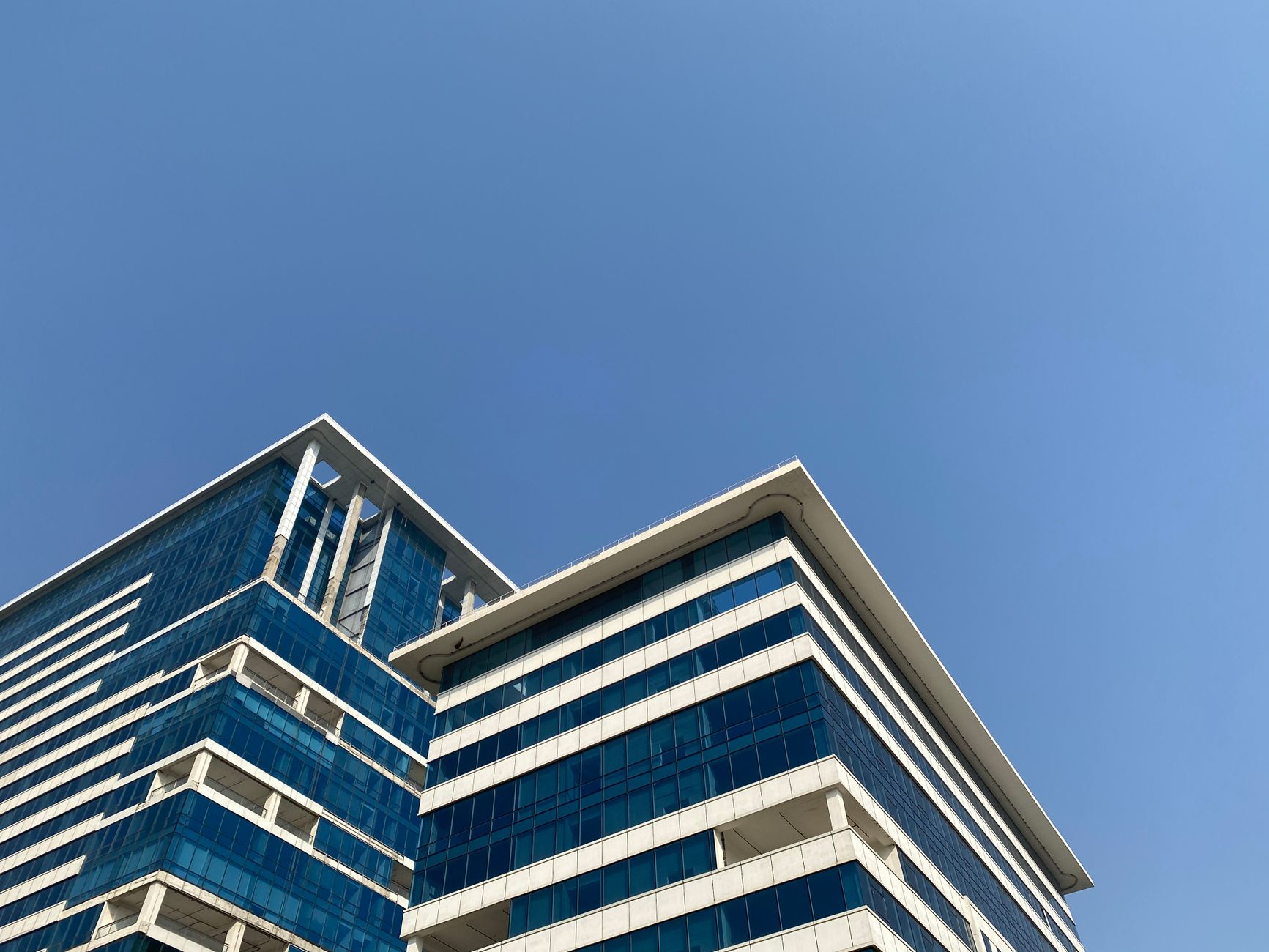
Sikh worship in Gurugram centres on a handful of gurudwaras, and the DLF Phase 3 one is the largest and most accessible. Built in the mid-1990s as the corporate city grew, it serves both the older Sikh community of nearby villages and the professionals who moved into Cyber City. The white marble building sits behind a small landscaped forecourt on the main DLF Phase 3 road, five minutes from the Guru Dronacharya metro station.
The main prayer hall is on the first floor — carpeted, cool, quiet outside the aarti times, and welcoming to visitors of any background. The gurudwara serves free langar (community meal) between 12:30 and 2:30pm every day; you sit on the floor in the community hall on the ground floor and are served dal, roti, sabzi and rice by volunteers. This is not a tourist attraction pretending to be a religious site — it is a functioning community centre. Behaviour is quiet and respectful, and photography inside is not welcomed.
Cover your head — bandanas are provided free at the entrance for visitors who do not have one. Shoes go in the free shoe stand outside. Wash hands and feet at the wash basins before entering. Weekday mornings are quiet; Sunday aarti at 8am and Wednesday evening kirtan draw larger groups. Take langar if offered — it is a genuine and important part of the visit. The gurudwara sits within easy walking distance of Cyber Hub for those staying nearby.
If you have never entered a gurudwara, the sequence is simple and nobody will rush you through it. Shoes come off at the joda ghar beside the forecourt, where a sevadar stacks them on a rack; socks stay on. Rinse hands and feet at the basins, then tie the bandana so it covers all your hair — a baseball cap or a hood does not count and will be politely turned away. Climb the marble stairs to the first floor, walk up the centre of the carpet, bow toward the palki sahib where the Guru Granth Sahib rests under its canopy, and drop whatever you wish into the golak beside it; nobody counts. Then sit cross-legged toward the back, feet never pointing at the scripture, and listen to the ragis on harmonium and tabla for ten minutes. Accept karah prasad in cupped hands on the way out and eat it there rather than carrying it off.
Getting here is the easy part, and the metro beats every other option. Guru Dronacharya sits on the Yellow Line between Arjan Garh and Sikanderpur, running along the NH-48 corridor; leave by the DLF Phase 3 side exit and it is a five-minute walk north. From Huda City Centre it is four stops, about twelve minutes and roughly ₹30; from IFFCO Chowk around ₹20; from New Delhi railway station it is a single direct ride of about 45 minutes for roughly ₹50, and a smart card shaves ten percent off. A private auto from MG Road runs ₹50-₹80, a shared e-rickshaw ₹20 or so, and a cab from Cyber Hub ₹100-₹150. From IGI Terminal 3, budget ₹400-₹700 and 30-45 minutes by road. Do not drive: the service road outside has almost no parking and the forecourt fills with congregation cars at aarti and on Sundays.
Nothing here costs money, and that is worth stating plainly because it is unusual. There is no ticket, no camera fee, no charge at the shoe stand, no guide selling a tour, and no one will approach you for a donation the way they might at a busy temple. The golak is the only collection point; ₹51 or ₹101 is the customary Punjabi odd-number offering, and ₹10 is perfectly acceptable. Carry small notes, as there is no card machine and no change desk. Langar is free to everyone, including foreign visitors, and refusing it to be polite is the wrong instinct. Realistically your whole outing costs ₹40-₹60 in metro fares plus whatever you put in the golak — under ₹200 all in, against ₹400-₹900 for a single main course at Cyber Hub twenty minutes away. Budget ₹100 and you have over-budgeted.
Hour by hour: the Guru Granth Sahib is brought out for Prakash before dawn, aarti follows at 6am and 8am, and between 9am and 11.30am the hall is close to empty — the best window for a first visit. Langar runs 12:30-2:30pm and peaks around 1pm, especially on Sundays; arrive by 1:45pm to be sure of a full plate. Mid-afternoon is silent again, Rehras Sahib is read at sunset, kirtan follows around 7pm, and the building closes after Sukhasan by 10pm. Month by month, October to March is the pleasant stretch; December and January bring dense morning fog and 5-8°C, when the carpeted hall is warmer than the street. November air quality regularly passes 300 AQI, which makes even the five-minute walk unpleasant — wear a mask. From April to June the forecourt marble is scalding on bare feet between 11am and 4pm, so come before 9am.
It suits more people than most Gurugram sights. Children are genuinely welcome and langar is the gentlest possible introduction to Sikh practice for them. It works as a rainy or smoggy afternoon fallback — indoors, carpeted, free, and never closed. It also fits a one-hour gap: twenty minutes covers the prayer hall and the walk back to the metro. Dress modestly, shoulders and knees covered, and leave cigarettes and alcohol behind entirely; arriving having had a drink is a real offence here, not a technicality. Two groups should think twice. Wheelchair users face a flight of marble stairs to the first-floor hall — ask a sevadar at the entrance rather than assuming there is a lift, and note that langar seating is on the floor, though a chair can usually be requested. And anyone hunting photographs will leave frustrated: no photography inside, at all.
Fold it into a half-day. Aravalli Biodiversity Park, 380 acres of restored scrub forest with free entry from sunrise to sunset, lies just off NH-48 a short walk from the same metro station and is at its best before 9am — pair it with the 8am aarti and you have both done before the heat. Cyber Hub is about twenty minutes on foot east, the obvious lunch if you missed the langar window. Sikanderpur, one stop south, is the interchange for the Rapid Metro loop into Cyber City. Ambience Mall sits roughly 4 km north along NH-48 at the Delhi border. For a deliberate contrast, Sheetla Mata Mandir in Old Gurugram, about 8 km southwest, is loud, crowded and utterly different in temperament. Guests at Alivaa boutique DLF Cybercity Gurugram or Trident Gurgaon are close enough to walk or take a ₹100 cab.
Hours & entry
Free entry all day
Mon-Sun 4:00-22:00
What to see
{'what': 'Main prayer hall on the first floor', 'where': 'Up the central marble staircase'}
{'what': 'Langar community meal', 'where': 'Ground-floor community hall, 12:30-2:30pm daily'}
{'what': 'Morning aarti', 'where': 'Main hall, 6am and 8am'}
Tips from the ground
Cover your head — free bandanas at the entrance.
Weekday mornings are the calmest; avoid the Sunday 8am aarti if you prefer quiet.
Stay for langar — it is part of the visit, not tourism.
Good to know
Questions, answered
Is there any entry cost?
No, entry is free; langar (the community meal) is also free. There is no ticket counter, no camera fee, no charge for the shoe stand and no paid guide, and nobody will solicit you inside. The golak beside the palki sahib takes voluntary offerings only — ₹10 is fine, ₹51 or ₹101 is the customary Punjabi figure. Bring small notes, as there is no card machine. Your only genuine expense is the metro fare of ₹20-₹30 each way.
When is aarti held?
6am and 8am daily; evening kirtan around 7pm most days. The Guru Granth Sahib is brought out for Prakash before dawn, Rehras Sahib is read at sunset — closer to 6:15pm in winter, 7:15pm in summer — and the hall closes after Sukhasan by 10pm. The 8am service is the fullest, particularly on Sundays and Wednesdays. For near-empty carpet and unhurried kirtan, come on a weekday between 9am and 11:30am instead.
How long is a visit?
Forty-five minutes including langar; twenty minutes if just visiting the prayer hall. Allow five minutes for shoes, head covering and the wash basins, ten to fifteen sitting in the hall, and twenty to twenty-five for langar between 12:30 and 2:30pm — arrive by 1:45pm to be safely inside the service. Add another five minutes each way for the walk from Guru Dronacharya metro. An hour covers it comfortably; ninety minutes if you stay through a full kirtan.
Any closed days?
Never closed — open every day of the year. The doors open around 4am and close near 10pm, seven days a week, through every public holiday. Langar runs daily in the same 12:30-2:30pm window without exception. The only days that change the experience are Baisakhi in mid-April and Guru Nanak Jayanti in November, when Akhand Path readings and a nagar kirtan through DLF Phase 3 bring big crowds — memorable, but skip those dates if you want quiet.
Do I need to book?
No booking. Just walk in with head covered. There is no registration desk, no visitor permit and no advance arrangement needed for langar, even for a group. Free bandanas sit in a basket at the entrance if you have not brought a scarf; a cap or hood will not be accepted in their place. Leave cigarettes, tobacco and alcohol outside the premises entirely, and do not arrive having been drinking — that matters more here than dress does.
Nearest metro?
Guru Dronacharya on the Yellow Line, five minutes walk south. Take the DLF Phase 3 side exit and follow the main road. From Huda City Centre it is four stops, about twelve minutes and roughly ₹30; from New Delhi railway station a single direct ride of around 45 minutes for about ₹50. Sikanderpur, one stop away, is the Rapid Metro interchange for Cyber City. Driving is a poor alternative — parking on the service road outside is minimal.
Doing good is the business: every booking through Stay Gurugram funds one verified tonne of carbon removal — same room, same price, no markup.
Start your search